

PowerHand Tools have revolutionized how individuals carry out construction, repair, and maintenance activities. These instruments are crafted to enhance efficiency, simplicity, and accuracy compared to conventional hand tools. Regardless of whether you’re a professional contractor, carpenter, electrician, mechanic, or a DIY enthusiast, power hand tools are crucial for accomplishing tasks effectively.
In the modern, fast-moving world, businesses depend significantly on power tools to enhance efficiency and lower labor expenses. From making holes and cutting timber to smoothing surfaces and securing bolts, these tools have become essential in workshops, building sites, and residences. Their convenience and flexibility render them beneficial for both extensive industrial tasks and minor home maintenance.
This blog will cover what power hand tools are, their various kinds, advantages, uses, maintenance advice, and safety measures.
What Are Electric Hand Tools?
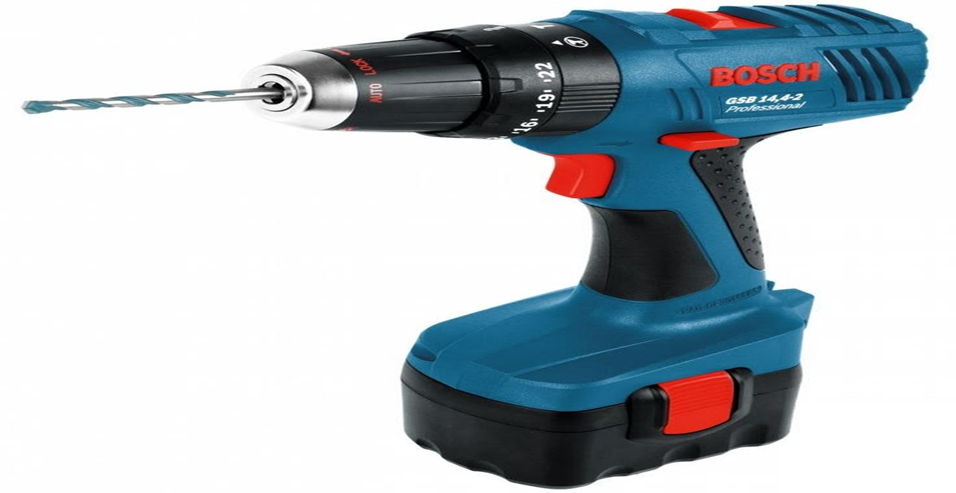
Power hand tools are portable instruments that operate using electricity, rechargeable batteries, or compressed air. In contrast to hand tools that rely on physical effort, these instruments utilize an external energy source to execute tasks swiftly and precisely
Common Types of Power Hand Tools
1. Tools using electric power
These instruments work by means of a cord-based direct electrical connection. They are perfect for heavy-duty jobs and offer steady power.
For instance:
Drills using electricity
Angle grinders and circular saws
2. Power Tools with Cords
Rechargeable batteries power cordless tools, which are convenient and portable.
For instance:
Drills without cords
Screwdrivers without cords
Impact drivers that are cordless
3. A circular saw
The purpose of a circular saw is to cut straight through materials such as metal, plastic, and wood.
Uses:
- Plywood cutting
- Framing tasks
- Boards for trimming

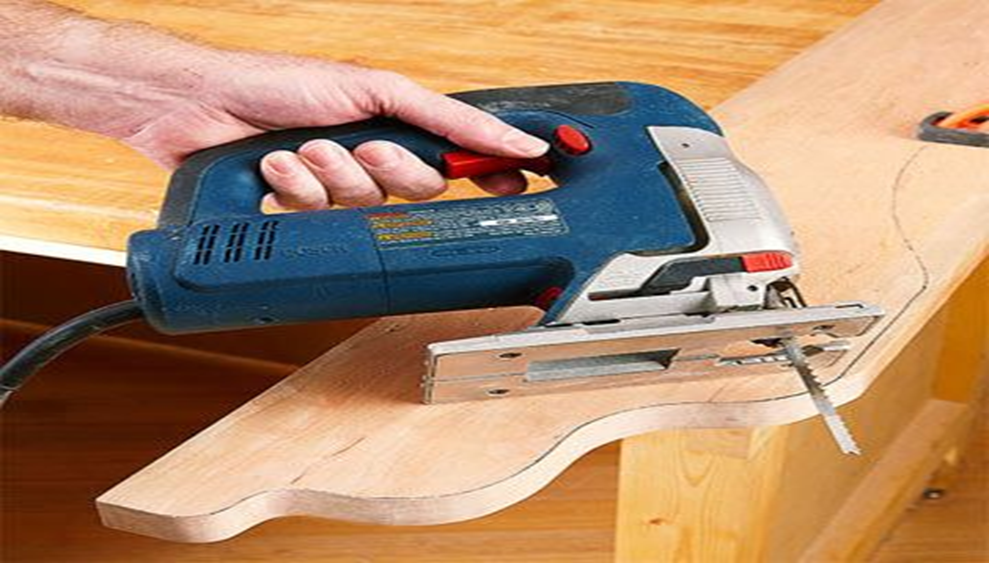
4. A jigsaw
For complex and curved cuts, a jigsaw is perfect.
Uses:
- Woodworking for decoration
- Craft Indicatives
- Patterns of cutting
5. Sander
A sander uses abrasion to smooth surfaces and get them ready for finishing.
Uses:
- Removal of paint
- Surface preparation and furniture finishing
6. The Impact Wrench
Nuts and bolts can be tightened or loosened with an impact wrench.
Uses:
- Tire replacement and mechanical upkeep
- Vehicle maintenance
7. Rotating Instrument
Cutting, grinding, engraving, and polishing are all possible with a rotary tool.
Uses:
- intricate craftsmanship
- Precision cutting and engraving
8. A nail gun
Nails are swiftly driven into wood or other materials using a nail gun.
Uses:
- Roofing
- Framing
- Furniture making
Power Hand Tools’ Advantages
Compared to conventional hand tools, power hand tools offer a number of benefits.
1. Enhanced Productivity
Power tools save time and effort by completing jobs considerably more quickly.
2. Increased Accuracy
They provide precise drilling, smoother finishing, and cleaner cuts.
3. Less Physical Work
Fatigue and manual labor are decreased when power tools are used.
4. Adaptability
Interchangeable attachments and accessories are supported by many tools.
5. Expert Outcomes
They assist users in producing excellent work.
6. Economical
Power tools save money over time by boosting productivity, even though the original expenditure may be considerable.
Selecting the Appropriate Power Hand Tool
Take into account the following aspects before buying a power tool:
The reason for using
- source of power
- Quality and brand
- Spending plan
- Features for safety
- Durability and warranty
Purchasing dependable equipment guarantees long-term success.
In Conclusion
Power hand tools are necessary tools for both homeowners and professionals. They produce results of a professional caliber while saving time, increasing accuracy, and requiring less physical exertion. Users may more efficiently complete activities like drilling, cutting, sanding, grinding, and fastening with a wide range of equipment.
But maintaining these tools and using them safely are as crucial. Users can increase productivity and guarantee long-lasting performance by adhering to safety regulations and selecting the appropriate tool for the task.