

Abrasivesheets are one of the most important tools used for smoothing and finishing surfaces. Whether you are working on wood, metal, furniture, or walls, the right abrasive sheet can completely change the quality of your work.
Many people use sandpaper without understanding that different types and grit levels are designed for specific tasks. Using the wrong abrasive sheet can damage the surface or give poor results. That’s why it’s important to understand how they work and how to choose the right one.
In this guide, you’ll find a clear and easy explanation of abrasive sheets, including their types, uses, grit sizes, and expert tips.
What Are Abrasive Sheets?
Abrasive sheets are flat materials coated with rough particles that help in cutting, smoothing, or polishing surfaces. These sheets are commonly known as sandpaper, but they come in different materials and qualities.
Each abrasive sheet is made of three main parts:
- Backing: The base material, usually paper, cloth, or film
- Bonding Layer: The adhesive that holds the particles in place
- Abrasive Grains: The rough particles that actually do the workThese sheets are used in many fields such as construction, woodworking, automotive work, and metal finishing.
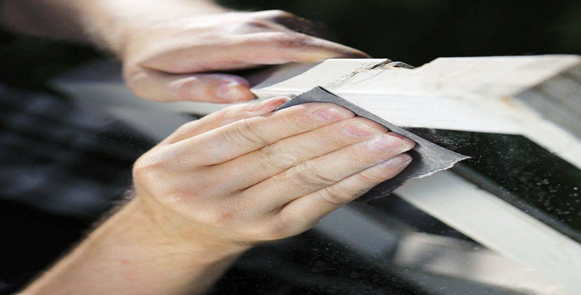
Types of Abrasive Sheets
Different types of abrasive sheets are made for different tasks. Choosing the correct type can improve both efficiency and results.
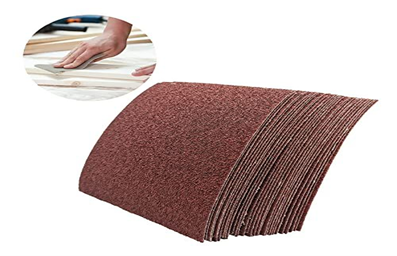
1. Aluminum Oxide Sheets
This is one of the most widely used types.
Features:
- Strong and durable
- Lasts longer than many other abrasives
- Suitable for repeated use
Best Use:
- Strong and durable
- Wood sanding
- General-purpose work
2. Silicon Carbide Sheets
These sheets are sharper and cut faster.
Features:
- Provides a smooth finish
- Ideal for fine work
- Works well with water (wet sanding)
Best Use:
- Automotive applications
- Metal polishing
- Plastic and glass finishing
3. Ceramic Abrasive Sheets
These are made for tough and heavy-duty jobs.
Features:
- Very hard and long-lasting
- Can handle high pressure
- Resistant to heat
Best Use:
- Heavy surface removal
- Industrial sanding
- Metal grinding
4. Garnet Sheets
A natural abrasive material that is softer than others.
Features:
- Produces a smooth finish
- Less durable
- Best for light work
Best Use:
- Fine woodworking
- Hand sanding
Understanding Grit Sizes
Grit size shows how rough or smooth an abrasive sheet is. Lower numbers mean rougher surfaces, while higher numbers mean smoother finishes.
Grit Categories:
Coarse (40–80 grit):
Used for removing paint or shaping rough surfaces
Medium (100–150 grit):
Helps smooth surfaces and remove scratches
Fine (180–220 grit):
Prepares surfaces for painting or polishing
Extra Fine (240–600+ grit):
Used for final finishing and polishing
👉 It is always better to start with a coarse grit and slowly move towards finer grits.
Common Uses of Abrasive Sheets
Abrasive sheets are used in many different areas:
Woodworking
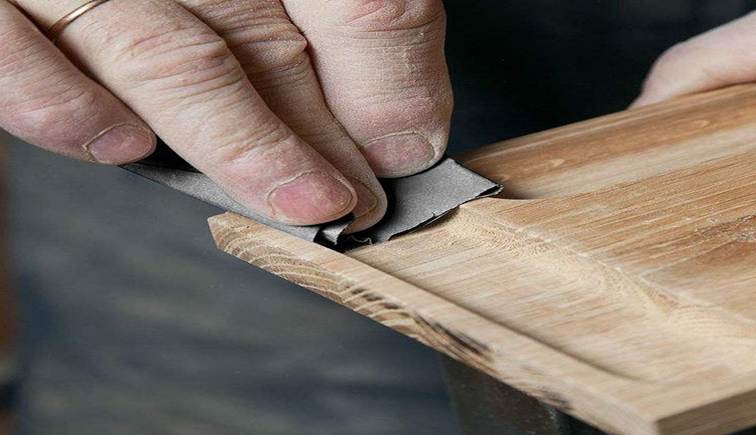
- Smoothing rough wood
- Preparing for paint or polish
- Removing old coatings
Metal Work
- Removing rust
- Polishing metal
- Preparing surfaces for coating
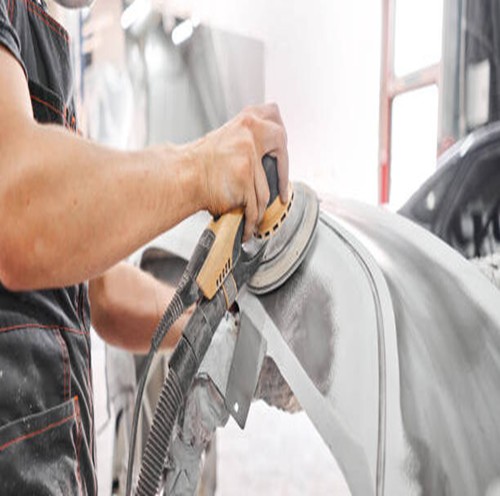
Automotive Work
- Sanding car surfaces before painting
- Removing scratches
- Achieving smooth paint finishes
Home Improvement
- Preparing walls for paint
- Smoothing filler or plaster
Types of Backing Materials
The backing material affects strength and flexibility.
- Paper Backing: Best for light and simple work
- Cloth Backing: Strong and suitable for heavy tasks
- Film Backing: Durable and gives a smooth finish
Dry Sanding vs Wet Sanding
Dry Sanding
- Easy and quick
- Creates dust
- Good for general use
Wet Sanding
- Uses water for smoother results
- Reduces dust
- Best for polishing and finishing
Advantages of Abrasive Sheets
- Improves the smoothness of surfaces
- Helps paint and coatings stick better
- Can be used on many materials
- Affordable and easy to use
- Suitable for both beginners and professionals
How to Choose the Right Abrasive Sheet
To select the right abrasive sheet, keep these points in mind:
Material
Choose based on the surface:
- Wood → Aluminum oxide
- Metal → Silicon carbide or ceramic
- Glass/Plastic → Silicon carbide
Grit
- Rough work → Low grit
- Finishing → High grit
Type of Work
- Small projects → Paper sheets
- Heavy work → Cloth or ceramic sheets
Method
- Hand sanding → Flexible sheets
- Machine sanding → Strong sheets
Expert Tips for Better Results
- Always sand in one direction (especially for wood)
- Do not skip grit levels
- Apply even pressure
- Replace worn-out sheets on time
- Use safety equipment like masks and gloves
Common Mistakes to Avoid
- Using the wrong grit size
- Pressing too hard while sanding
- Skipping sanding steps
- Using damaged or worn sheets
- Ignoring safety precautions
Future Developments in Abrasives
Modern abrasive technology is improving with time. Some new trends include:
- Dust-free sanding systems
- Eco-friendly materials
- Longer-lasting abrasive grains
- More precise finishing tools
Conclusion
Abrasive sheets may look simple, but they are extremely important for achieving high-quality finishes. Understanding their types, grit sizes, and proper usage can help you work more efficiently and get better results.
Whether you are doing a small home project or professional work, using the right abrasive sheet will always make a noticeable difference.
SEO Keywords:
abrasive sheets, sanding sheets, grit sizes explained, sandpaper guide, woodworking tools, metal polishing sheets, surface finishing guide, best abrasive sheets