

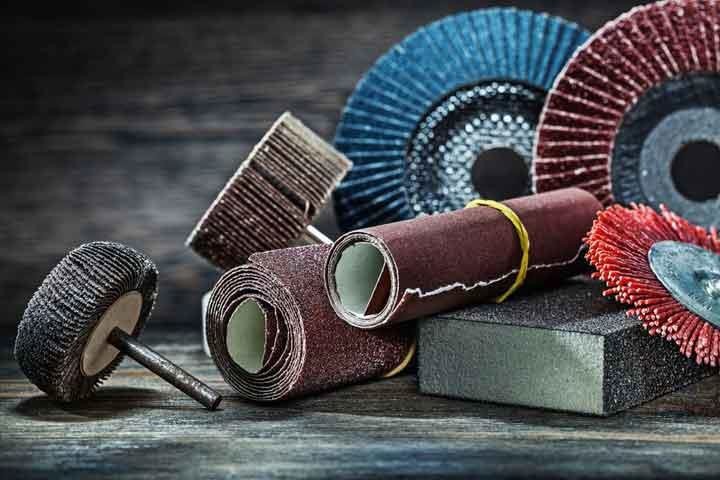
Inmanufacturing, accuracy is the most important thing. Abrasives are what make it possible to have the mirror finish on a luxury car, the razor-sharp edge on a surgical scalpel, or the smooth surface on a smartphone screen.The abrasives market, which is worth about $54.6 billion, is changing as we move through 2026. This is everything you need to know about the materials that shape our world, from regular sandpaper to grinding systems that use AI.
What are Abrasives?
Abrasives are hard, sharp materials that wear away the surface of a softer workpiece by rubbing against it. This step is very important for:
Grinding: Getting rid of a lot of material. Polishing means getting a smooth, shiny finish.
Honing and lapping are ways to get very precise dimensions.
Cleaning: Taking off old paint, rust, or scale.
Natural vs. Synthetic Abrasives
The industry makes a difference between materials that come from the earth and those that are made in a lab.
Natural Abrasives
These used to be the standard, but now they are often used for special purposes or at a lower cost.
Diamond is the hardest material known, and it is used to cut stone and glass.
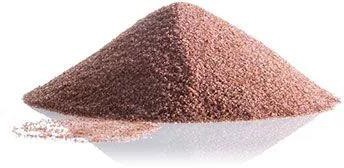
Garnet is a popular material for waterjet cutting and high-quality sandpaper.
Emery and corundum are traditional materials used to polish and grind metal.
Synthetic Abrasives
Synthetics will have more than 66% of the market share by 2026. They are stable enough for automated manufacturing.
Aluminum oxide is the “workhorse” of the industry because it is tough and doesn’t break easily.
Silicon Carbide: Very hard and sharp; great for ceramics and non-ferrous metals.
Ceramic Alumina is an abrasive that sharpens itself and breaks down at a micro level to show new sharp edges. This greatly extends the life of tools.
The Four Main Formats
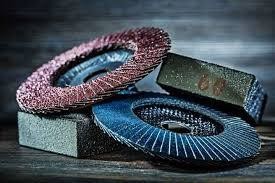
Abrasives are rarely used as “loose” grains. They are typically transformed into specific tools:
| Types | Examples | Primary use |
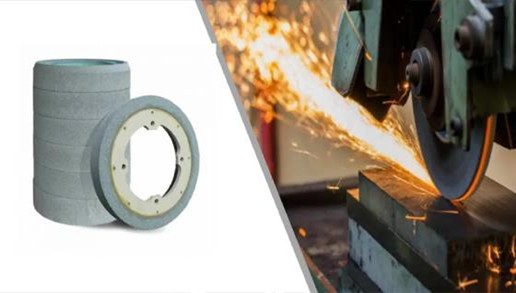
| Bonded | Grinding wheels, cutoff discs | Heavy stock removal, precision grinding. |
| Coated | Sandpaper, flap discs, belts | Surface finishing, blending, and woodworking. |
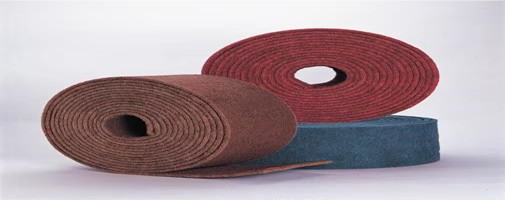
| Non-Woven | Scouring pads, nylon wheels | Deburring and cleaning without changing part geometry. |