

V-beltsare one of the most widely used mechanical components in industrial and automotive applications. At IHCO Group, we supply high-quality V-belts designed for durability, efficiency, and long-term performance. This guide explains everything you need to know about V-belts, including their types, uses, advantages, and maintenance.
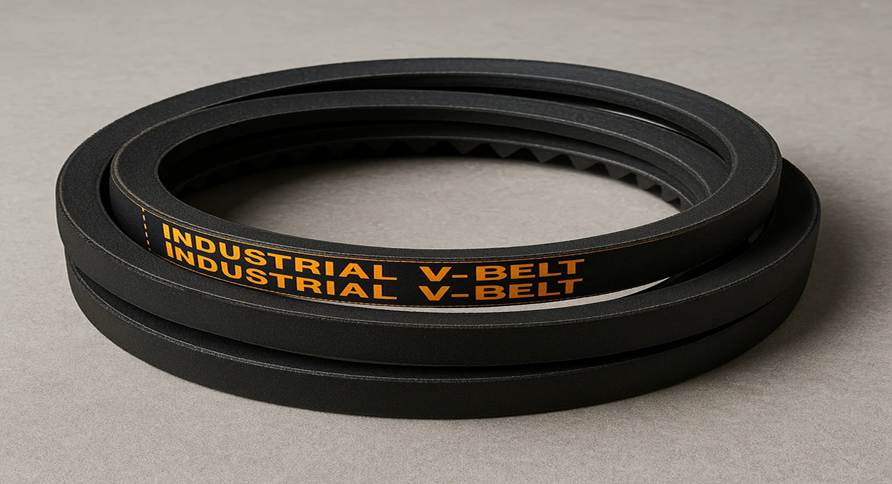
Every day, millions of machines around the world run smoothly because of a deceptively simple component — the V-belt. Whether it’s a textile loom in Lahore, a grain combine harvester in Punjab’s fields, or a compressor in an oil facility, V-belts quietly handle the job of transferring power from one rotating shaft to another. At IHCO Group, we supply and source industrial drive components that keep operations running without interruption. This guide breaks down everything you need to know about V-belts — from their working principle to smart selection practices.
What is a V-Belt?
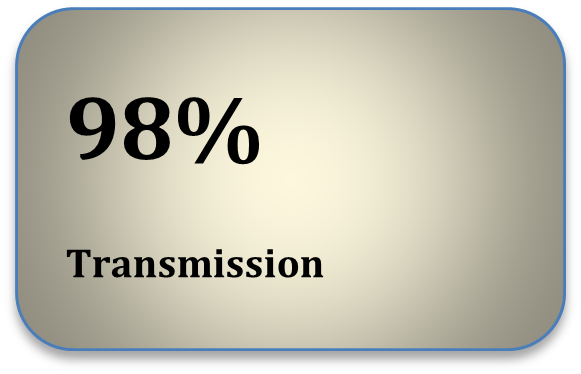
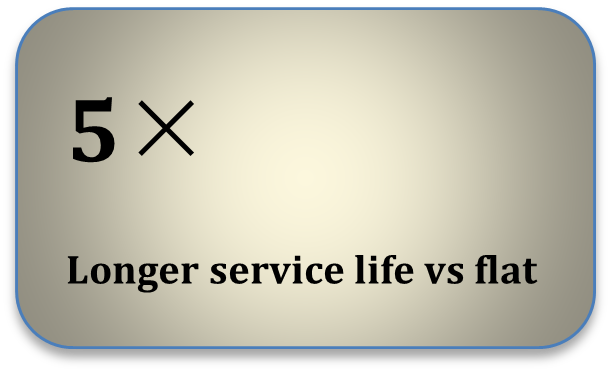
A V-belt is a type of belt used to transmit power between rotating shafts. It has a trapezoidal cross-section, which allows it to fit securely into pulley grooves, reducing slippage and improving efficiency. This distinctive profile is not just cosmetic — it’s engineered to wedge deeper into the grooves of a pulley under load, generating friction that transfers rotational force. The wedging action is what gives V-belts their edge over flat belts: the harder the load pulls, the tighter the grip, which means more torque transfer with less slippage.
A Brief History Worth Knowing
The V-belt was introduced commercially in the early 20th century as a solution to the inefficiencies and slippage problems of flat belts in industrial machinery. Its adoption accelerated rapidly through the mid-century manufacturing boom, and today it remains one of the most widely produced mechanical components globally. Modern V-belts have evolved with advanced rubber compounds, reinforcing cords, and precision tolerances — but the core engineering logic has stayed remarkably constant.
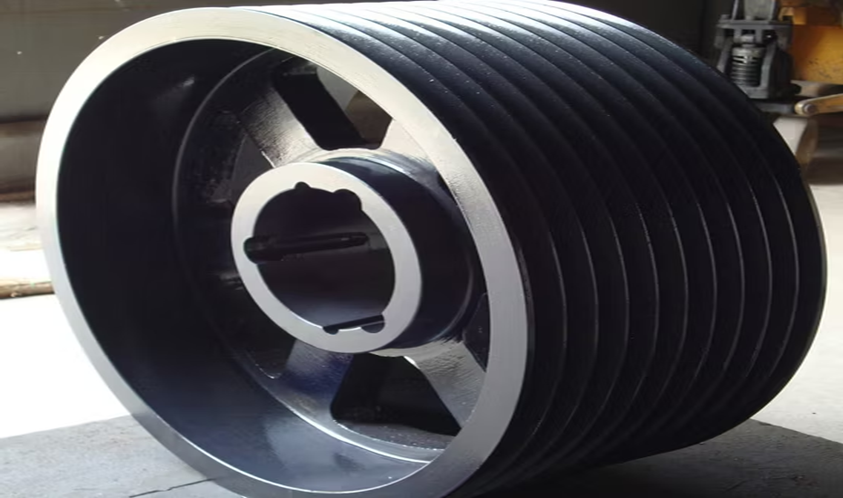
Types of V-Belts — Which One Do You Need?
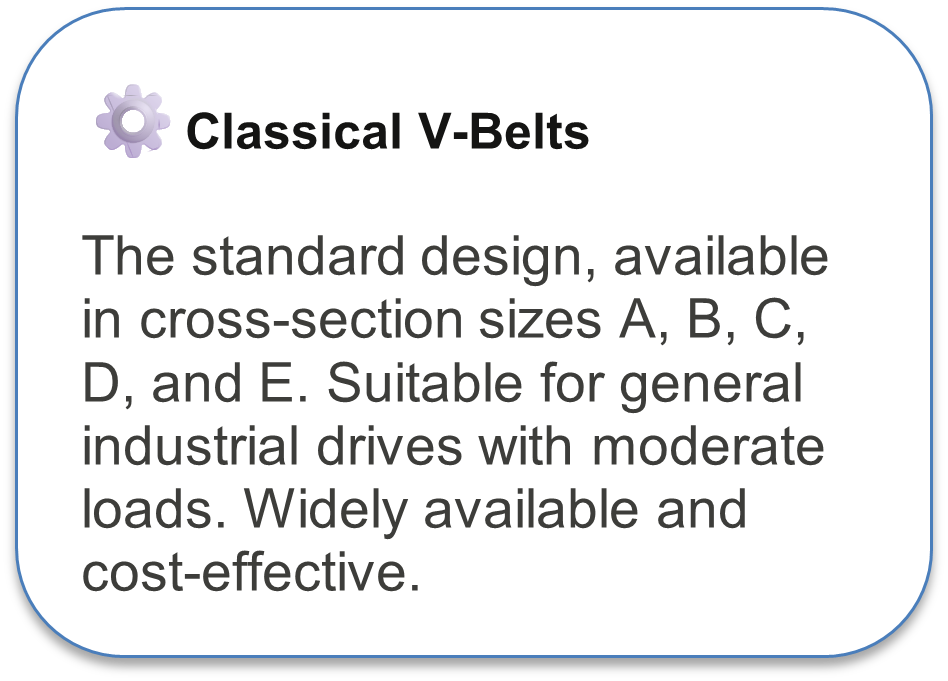
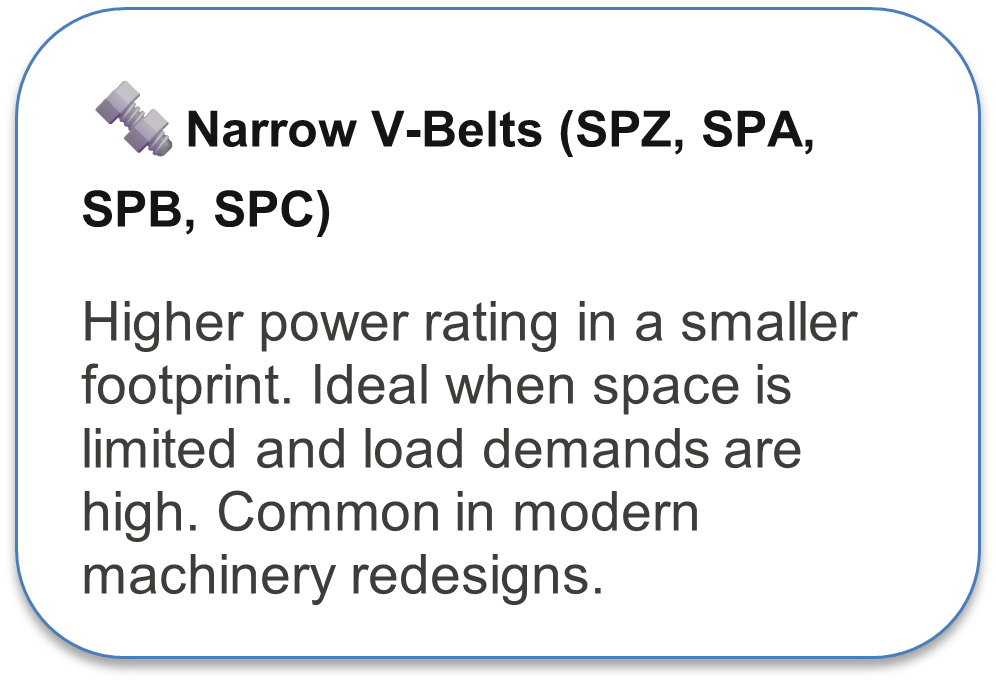
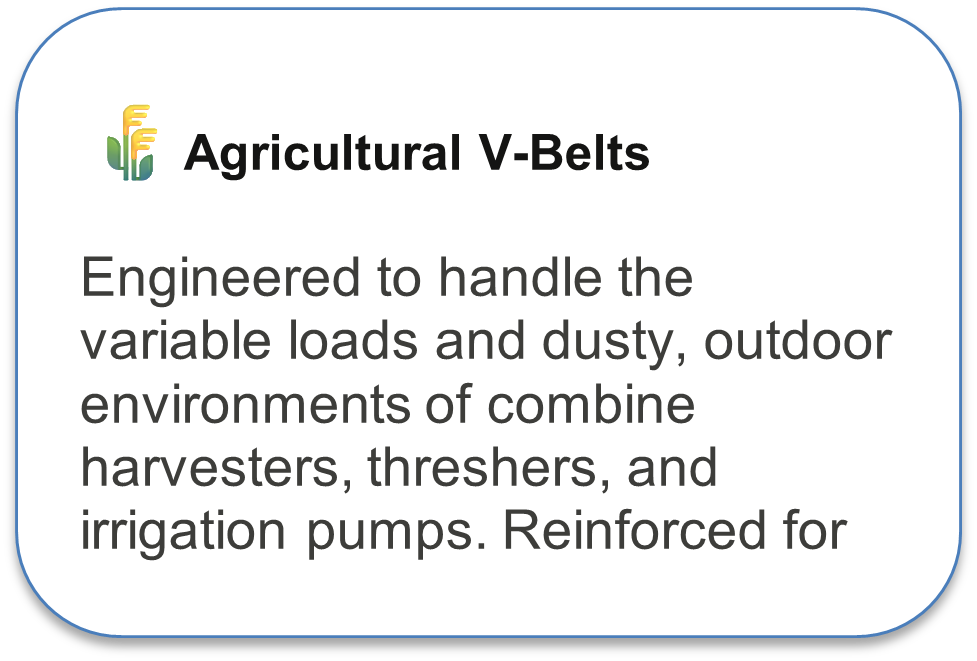
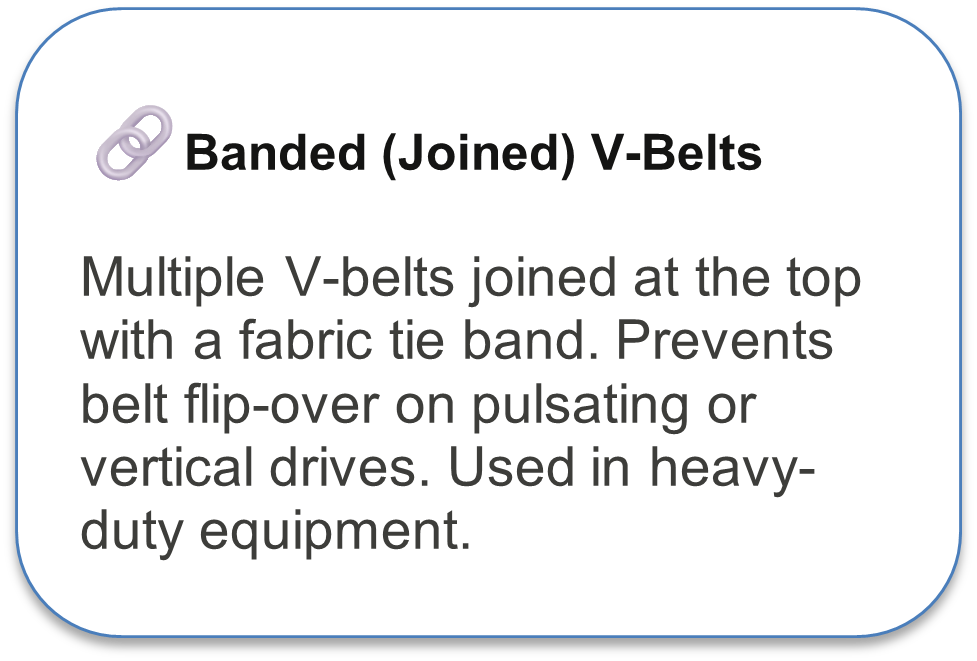
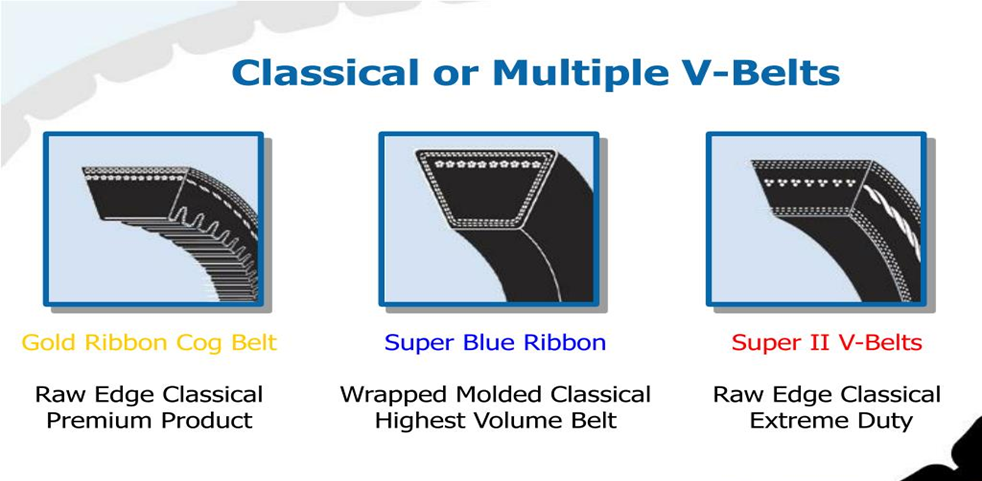
Not all V-belts are built the same. Choosing the wrong type is one of the most common causes of premature belt failure. Here’s a breakdown of the main categories:
Applications of V-Belts
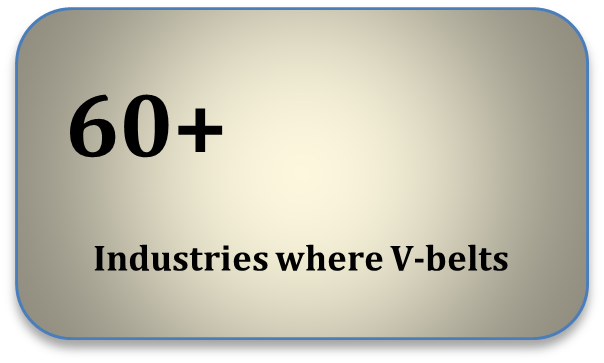
V-belts are used in a wide range of industries including:
– Automotive engines
– Industrial machinery
– Agricultural equipment
– HVAC systems
– Manufacturing plants
Maintenance Tips
– Regularly inspect for wear and cracks
– Maintain proper tension
– Ensure pulley alignment
– Replace worn-out belts promptly
Why Choose IHCO Group?
IHCO Group is committed to delivering premium quality V-belts that meet industry standards. Our products are reliable, durable, and suitable for various applications. We ensure customer satisfaction through competitive pricing and excellent service.